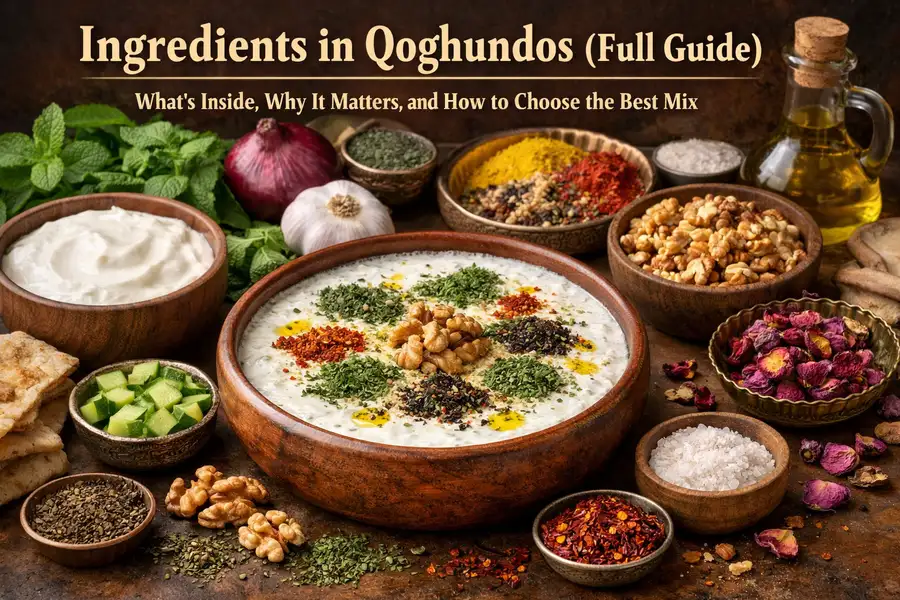

What are Qoghundos and Their Ingredients?
Qoghundos are traditional pastries originating from Central Asia, particularly popular in countries such as Uzbekistan and Kazakhstan. These delightful treats have a rich cultural significance, often served during special occasions, celebrations, and festivals. The preparation and presentation of Qoghundos are often seen as a reflection of hospitality and the importance of community in these cultures.
Traditionally, Qoghundos are made from a variety of ingredients that contribute to their unique flavor and texture. Commonly, the base of Qoghundos consists of flour, which is used to create a soft, pliable dough. This dough is typically enriched with eggs and milk, which enhance the richness and tenderness of the final product. A subtle balance of sugar provides just the right amount of sweetness, making Qoghundos an appealing dessert option.
In addition to these essential ingredients, various flavorings and fillings are integrated into the dough. Common flavorings might include vanilla, which adds aromatic notes, while fillings can range from nuts to fruits, or even sweetened cheese. The choice of these filling ingredients plays a crucial role in determining the overall taste profile of Qoghundos. For example, walnut and date fillings are frequently favored for their complementary textures and flavors.
The combination of these diverse ingredients in Qoghundos creates a pastry that is not only enjoyable to eat but also embodies the culinary traditions of the regions where they are made. The question of whether the ingredients in Qoghundos are good can be addressed by looking at the nutritional aspects of each component. While the individual ingredients contribute to their overall flavor and cultural relevance, it is essential to consider their nutritional value as part of a balanced diet.
Nutritional Profile of Qoghundos Ingredients
The examination of the nutritional profile of the ingredients typically found in Qoghundos reveals a range of health benefits that warrant consideration. Commonly, Qoghundos includes a variety of natural components such as grains, nuts, fruits, and spices, each contributing unique vitamins and minerals essential to a balanced diet.
For instance, grains such as quinoa or millet often appear as primary ingredients. These grains are known for their high fiber content, facilitating proper digestion and promoting a healthy gut. Furthermore, they are excellent sources of protein and essential amino acids, which play crucial roles in tissue repair and muscle growth. This aligns with the inquiry regarding “is ingredients in qoghundos good?” since these grains are highly regarded in health-conscious dietary practices.
Nuts, frequently included in Qoghundos, contribute healthy fats, particularly omega-3 fatty acids, which have been associated with cardiovascular health. They also provide vitamin E, an antioxidant that helps combat cellular damage. The inclusion of fruits like dates or figs adds natural sweetness along with vitamins A and C, along with minerals like potassium, which is important for heart health.
Spices such as cinnamon and cardamom, which may feature in Qoghundos recipes, are not just flavor enhancers but also bring anti-inflammatory properties and help stabilize blood sugar levels. These benefits contribute to answering the overarching question: are ingredients in Qoghundos good? The combination of these diverse ingredients underscores a comprehensive approach to nutrition, positioning Qoghundos as a potentially valuable addition to a healthy diet.
Potential Health Concerns Regarding Qoghundos Ingredients
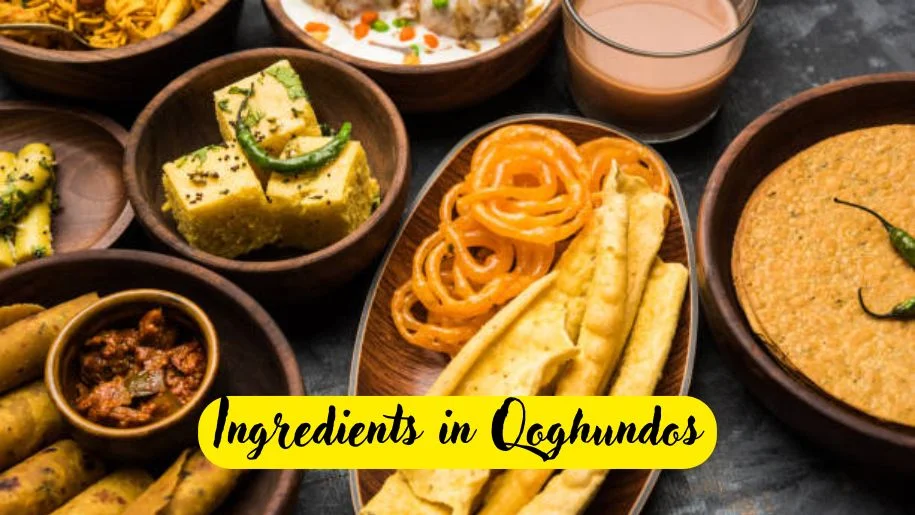
When examining the question, “is ingredients in qoghundos good?” it is essential to consider potential health concerns that may arise from its components. Qoghundos, which can comprise a variety of ingredients, may provoke allergies or intolerances in sensitive individuals. Common allergens such as nuts, dairy, or gluten could be present, posing risks to those with specific sensitivities. For those with food allergies, it is crucial to read labels and ensure that the product meets their dietary restrictions.
Beyond allergies, some ingredients in qoghundos might lead to gastrointestinal issues or discomfort. For instance, certain sweeteners or preservatives may not sit well with every individual, resulting in bloating or indigestion. Therefore, potential consumers should evaluate their unique dietary needs and consider how their body typically responds to particular food components.
In addition to individual tolerance, moderation plays a vital role when consuming products like qoghundos. While the ingredients may provide nutritional benefits, overindulgence can lead to negative health implications, such as excessive caloric intake or imbalances in nutrients. It is advisable to enjoy qoghundos as part of a balanced diet, remaining mindful of portion sizes to maintain overall health.
Ultimately, determining whether “is ingredients in qoghundos good?” requires personal assessment. Individuals should take into account their own health profiles, any existing allergies, and their ability to digest certain ingredients. By remaining informed and practicing moderation, consumers can make educated choices about incorporating qoghundos into their regular diets without compromising their health.
Conclusion: The Verdict on Qoghundos Ingredients
In considering whether the ingredients in Qoghundos can be deemed beneficial for health, it is important to evaluate the various components that make up this traditional dish. Throughout the article, we have dissected individual ingredients, assessing their nutritional profiles and potential health benefits. It is evident that the ingredients in Qoghundos typically include a mix of wholesome elements such as grains, vegetables, spices, and protein sources.
These components contribute to a balanced meal that can offer essential nutrients like vitamins, minerals, and fiber. Many of these ingredients are known for supporting metabolic health, digestion, and overall well-being. The use of spices not only enhances flavor but also introduces bioactive compounds that may have antioxidant and anti-inflammatory properties.
However, it is crucial to note that the health impact of any food is also dependent on the overall diet and lifestyle of the individual. While the ingredients in Qoghundos are predominantly nutritious, moderation and variety remain key. Consumption habits should focus on balance rather than excessive reliance on any one food item.
Thus, one can assert that the ingredients in Qoghundos can generally be considered good for health when included as part of a varied and balanced diet. Individuals are encouraged to make informed dietary choices, considering their unique nutritional needs and health goals.